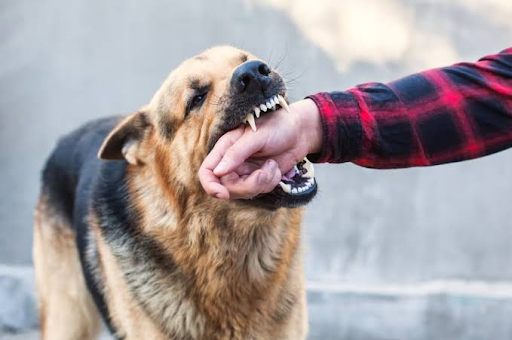
When you live in an apartment or rent a house, life is a bit different. You share walls, hallways, and yards with neighbors and their pets. If a dog lunges at you in a shared hallway, the legal path isn’t always a straight line.
Figuring out who pays the medical bills can get confusing fast. Is it the dog owner? Is it the landlord who let the dog live there? If you’re hurting, you need a dog bite lawyer to help untangle this mess before the bills start piling up.
The Tenant’s Responsibility
First and foremost, the person who owns the dog is usually the primary person at fault. If their dog bites you, they are responsible for controlling their animal. It doesn’t matter if they are renting or if they own the dirt the dog is standing on.
Most renters’ insurance policies actually include liability coverage for dog bites. This is a huge relief for victims because it means there is a way to get compensation even if the neighbor doesn’t have much money in the bank.
- The owner must follow all leash rules in the lease.
- They are responsible for keeping the dog contained.
- Owners must warn guests if the dog is aggressive.
- Failure to follow building pet rules is a sign of negligence.
- The owner’s insurance is usually the first place to look for help.
When the Landlord Gets Involved
This is where things get tricky. Normally, a landlord isn’t responsible for a tenant’s dog. However, there are specific situations where the property owner or management company might be on the hook for your injuries.
If the landlord knew the dog was dangerous and did nothing, they might be liable. If a dog has bitten three people in the courtyard and the landlord keeps renewing the lease, they are essentially keeping a known hazard on the property.
- Landlords must fix broken fences or gates.
- They have a duty to remove “known dangerous animals.”
- Common areas like lobbies must be kept safe for everyone.
- If the landlord “harbors” the dog, they share the blame.
- Ignoring repeated complaints about a dog can lead to liability.
In these cases, you might be looking at two different insurance policies. This is important because apartment complex insurance policies are often much larger than a single renter’s policy.
Common Areas vs. Private Space
Where the bite happened makes a massive difference in a legal claim. If you are inside a neighbor’s apartment as a guest, the rules are different than if you are in the laundry room or the parking lot.
Landlords have a much higher duty to keep “common areas” safe. If the attack happens in a place where every tenant has a right to be, the property management has a bigger responsibility to ensure no dangerous animals are roaming free.
- Hallways and elevators are considered common ground.
- Shared dog parks within the complex must be monitored.
- Parking garages are the landlord’s responsibility to secure.
- Private balconies are usually the tenant’s domain.
- Stairwells must be clear of hazards, including aggressive pets.
Proving “Knowledge” of Danger
To hold a landlord responsible, you usually have to prove they knew the dog was a problem. This isn’t always easy. It requires digging into old emails, maintenance logs, and talking to other neighbors.
Did someone else complain about this dog six months ago? Was there a police report filed for a different incident? If the paper trail exists, the landlord can’t claim they were in the dark about the risk.
- Look for previous “incident reports” with management.
- Check if the dog was a breed restricted by the lease.
- Ask neighbors if they ever reported the dog for growling.
- See if the landlord ever sent “warning” letters to the owner.
Gathering this info is a lot of work when you are trying to heal. Firms like The Lackey Law Firm know how to investigate these property disputes to find out who really knew what. Having a local team look into the management records can change the outcome of your case.
Why These Cases Are Harder
Leased property cases are like a puzzle. You have two different parties, the tenant and the landlord, often pointing fingers at each other. The tenant says the gate was broken; the landlord says the tenant didn’t use a leash.
You don’t want to get caught in the middle of their argument. You just want your doctor’s visits paid for. A dog bite lawyer acts as a shield, making sure both parties are held accountable for their share of the blame.
Final Steps for Renters
If you are bitten on a rental property, don’t just walk away. Report the bite to the apartment manager immediately. Make sure there is a written record of the event in their office files.
Don’t let a landlord talk you out of filing a report. They might be worried about their insurance rates, but your health is more important. Getting professional legal advice is the best way to ensure you aren’t left paying for someone else’s failure to follow the rules.
Frequently Asked Questions
Can I sue my landlord if a neighbor’s dog bites me?
You can only sue the landlord if you can prove they were negligent. This usually means showing they knew the dog was dangerous but failed to evict the tenant or fix a physical hazard, like a broken fence, that allowed the attack to happen.
What if the lease says “no pets” but the dog was there anyway?
If the landlord knew the dog was there in violation of the lease and did nothing to enforce the rules, they could be held liable. By allowing the dog to stay, they accepted the risk that the animal might hurt someone on the property.
Does my own renter’s insurance help me if I’m bitten?
Your own insurance usually won’t pay for your medical bills if someone else’s dog bites you. However, the dog owner’s renter’s insurance is specifically designed to cover these types of liability claims. You would file against their policy, not yours.
What should I do if the landlord threatens to evict me for reporting a bite?
Retaliation for reporting a safety hazard or an injury is illegal in most places. If a landlord threatens your housing because you were injured by a dog on their property, you should contact a lawyer immediately to protect your tenant rights.
Who is liable if the bite happened in a “dog-friendly” apartment lobby?
Liability is often shared. The owner is responsible for the dog’s immediate actions, but the management company is responsible for ensuring the lobby remains safe. If the lobby was overcrowded or lacked proper safety signs, the landlord might share the fault.